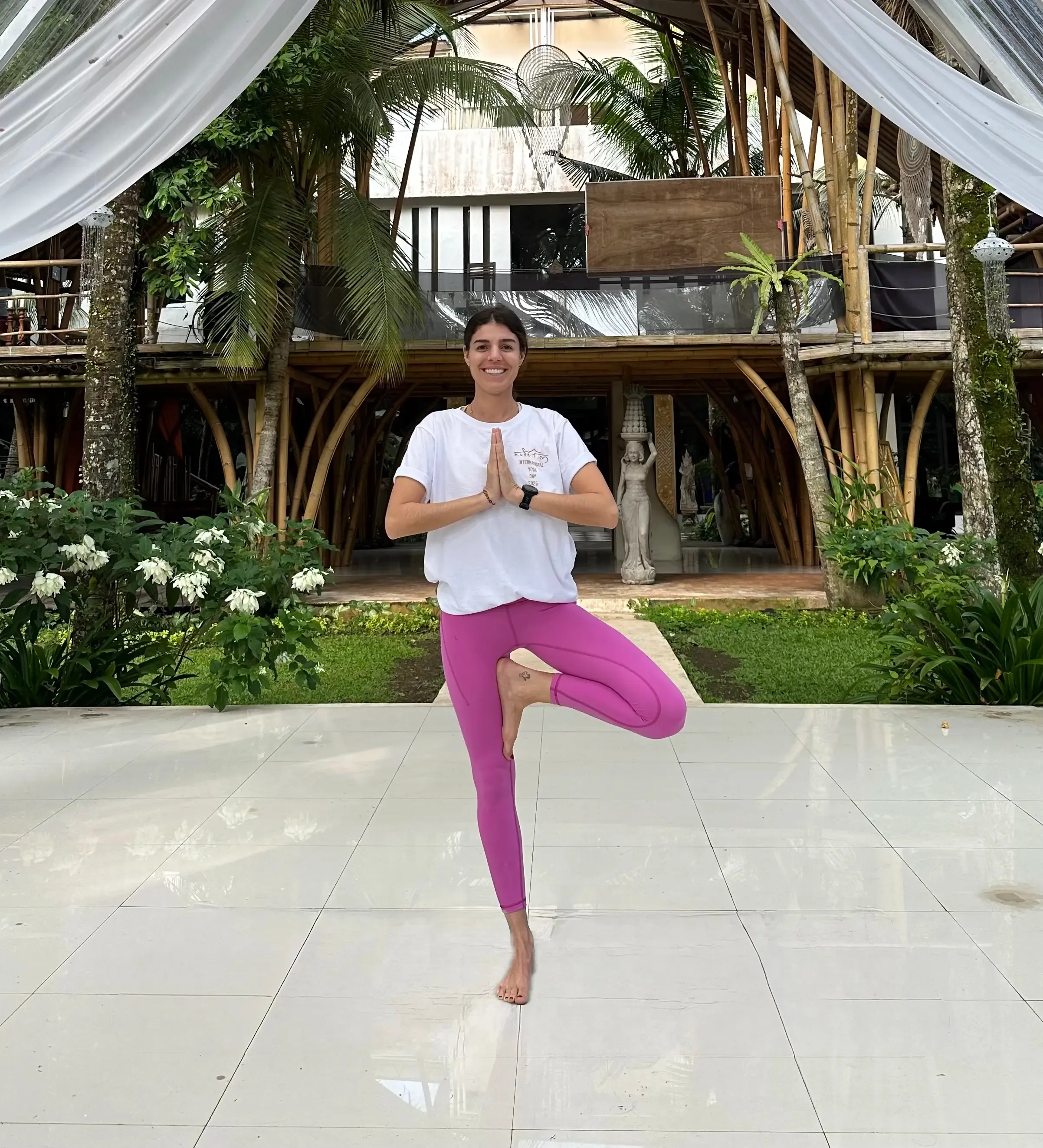
YOGA
As an internationally certified yoga teacher (YTT 200), I blend ancient wisdom with modern science to help you move with ease, breathe with intention, and feel more like yourself
Everyone can benefit from yoga and meditation! There are many schools of yoga, some which focus on the physical aspect (Ashtanga, Bikram etc) while others focus more on the mind/body approach (e.g yin yoga). These mind/body approach schools of yoga are generally slower and more meditative, often combining meditation and breathing exercises alongside physical postures/asanas. For those seeking to improve their mental health, the latter can typically be a good place to start.
GET IN TOUCHYoga, meditation and mental health
Stress response
Moving the body physically (e.g. yoga poses) when done mindfully and compassionately has been shown to help reduce the body’s stress response system (e.g. fight or flight mode). As a result, this can help us feel less anxious and calmer.
How yoga helps
The benefits of yoga do not solely come from the physical movements but through also learning to breathe properly, meditating and becoming more aware of our mind’s unhelpful thinking patterns which can often prolong suffering. Together these have a significant impact on both our physiological and mental states. Yoga further encourages one to practice observation, gentleness and self compassion. Evidence shows that it is through these practices that we can improve our mental wellbeing.
Research stipulates that regular yoga practice which incorporates all these elements can help reduce symptoms of anxiety and depression when combined with regular psychological therapy.
Yoga and therapy
Evidence has not yet shown that yoga or meditation can replace psychological therapy for those suffering with mental health issues, however it is a fantastic way to complement therapy and a good way to help maintain overall mental wellbeing.
Further reading:
The doors to the soul are opened by curiosity.
Curiosity is the way we recognize the shadow and find our way out of it.— Clarissa Pinkola Estés